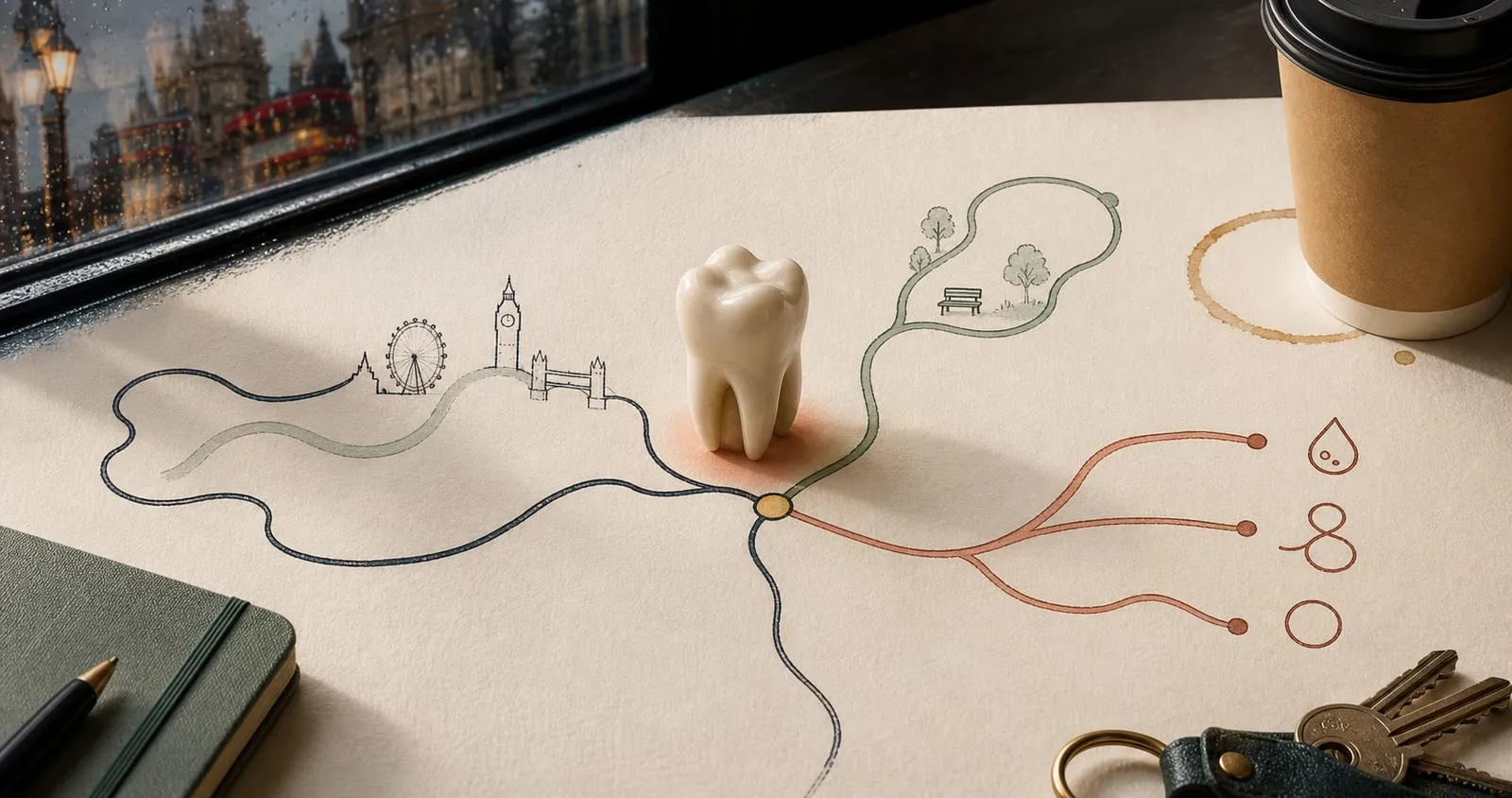
Why Adults in Paddington Are Choosing Ceramic Braces in 2026

If you have already spent time researching clear aligners, you are not alone. Most adults seeking straighter teeth in 2026 start there. But a growing number of patients looking into ceramic braces in Paddington are discovering something the aligners conversation tends to overlook: for moderate to complex tooth movements, fixed ceramic brackets consistently deliver more precise, predictable results. That matters when your smile is the goal.
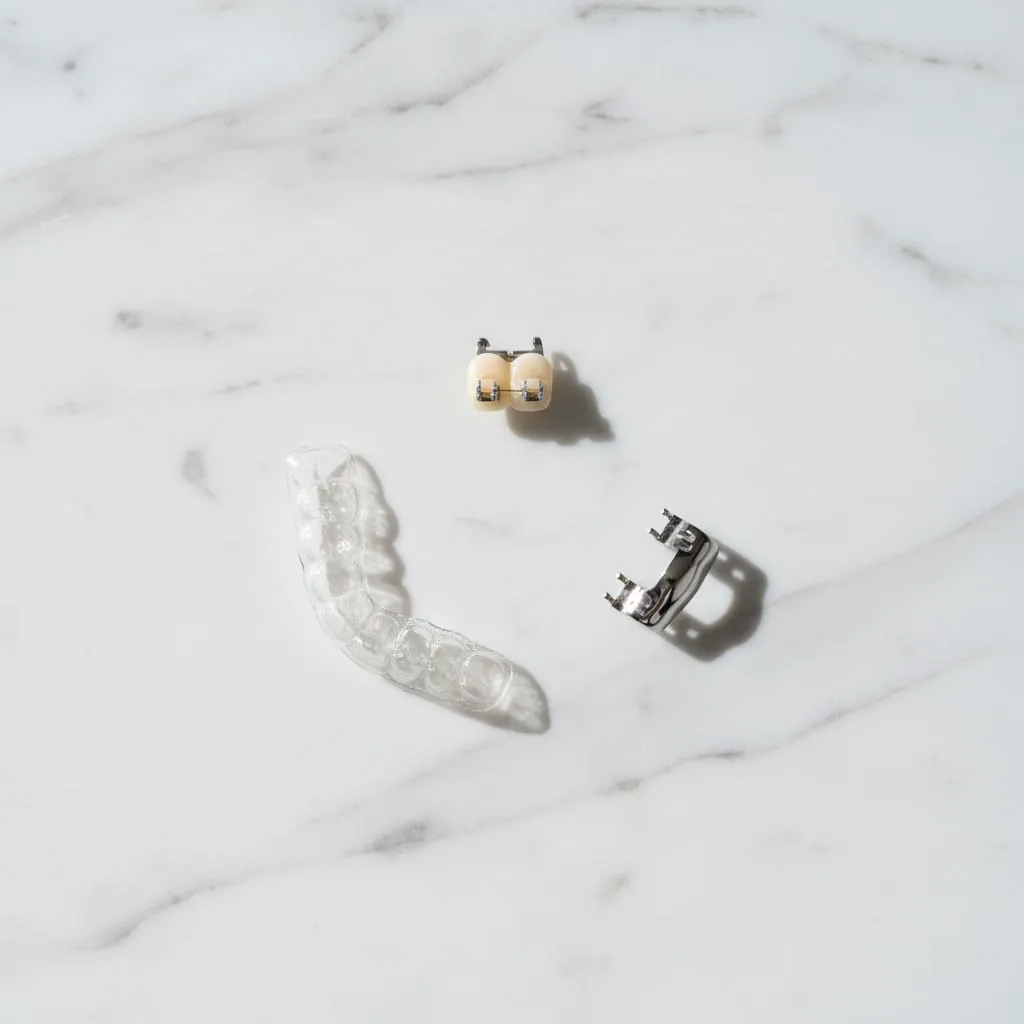
Tooth-coloured braces, also called clear braces or ceramic braces, use the same proven mechanics as traditional metal brackets but with one critical difference. The brackets are made from a translucent ceramic material that blends naturally with your teeth. From a conversational distance, they are remarkably discreet. For professionals working in London who would rather their braces went unnoticed, this distinction is significant.
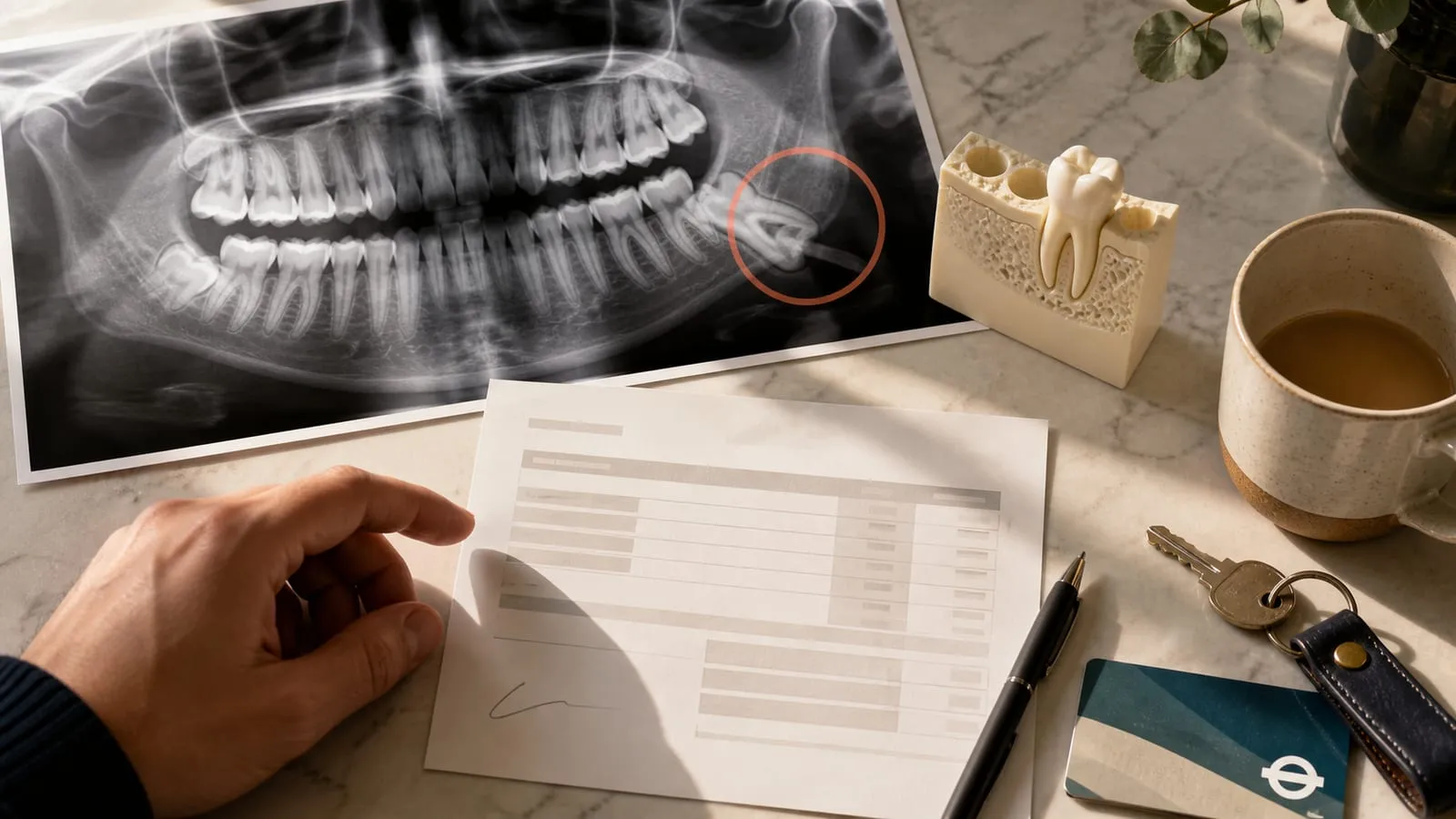
At Paddington Smiles, a private dental practice in W2, Dr Pedro Gutierres and his multilingual team offer ceramic braces as part of their adult orthodontic treatment. Treatment starts with a consultation and full 3D imaging, giving patients a realistic picture of their treatment before committing to a single bracket.
This article explains how the cost of ceramic braces is worked out in Paddington, how long treatment realistically takes, and what to do about staining.
Ceramic Braces vs Clear Aligners and Metal Braces: Which Is Right for You?
The question most adults arrive with is not simply “do I need braces” but “which type will actually work for me?” The answer depends heavily on what your teeth need to do, how complex that movement is, and how much visibility you are willing to tolerate during treatment.
Start with the comparison that matters most: ceramic braces vs clear aligners. Clear aligners have earned a well-deserved reputation for convenience, particularly for mild spacing and simple cosmetic corrections. You can remove them for meals, brush normally, and nobody needs to know. But clear aligners have real clinical limits. Significant rotations, bite correction, and precise vertical tooth movement all respond better to fixed appliances. Ceramic braces apply continuous, calibrated force around the clock, which is not something a removable tray can reliably replicate. For moderate to complex cases, fixed braces are often the option your dentist will recommend.
Now consider ceramic braces vs metal braces. In terms of raw effectiveness, the two are functionally equivalent. The difference is aesthetic. Ceramic brackets are tooth-coloured, blending far more naturally with the enamel, which is why they have become the preferred choice for adults who need full orthodontic correction without the conspicuous look of metal. The trade-off is minor: ceramics require slightly more care to avoid staining and can carry a modest cost premium. For most adults, that is an entirely acceptable exchange.
On ceramic braces cost UK, the fee depends on case complexity and treatment duration, so see our fees page and ask for a written quote. Ceramic braces London W2 patients who consult at Paddington Smiles receive a full 3D imaging assessment before a treatment plan is proposed, so the quote reflects your actual anatomy, not a generic estimate.
Ceramic braces for adults also have one practical advantage: because they are fixed, they do not depend on remembering to wear them. Unlike aligners, which need to be worn for the recommended hours every day, fixed braces work continuously. Cleaning and food care remain the patient’s job, as explained below. For patients with dental anxiety, sedation options at Paddington Smiles mean the process need not feel daunting either.
Treatment Timeline, Staining and Aftercare: What Ceramic Braces Actually Involve

Most people begin ceramic braces treatment wondering two things: how long will this take, and will my brackets turn the colour of my morning coffee? Both are fair questions, and both deserve a straight answer.
On timing, the typical ceramic braces treatment time runs between 12 and 24 months, depending on the complexity of your case. The first three months are largely about adjustment, as teeth begin to respond and your mouth adapts to the hardware. Between months three and nine, the real movement happens, the phase where you tend to notice the biggest visual changes. From month nine onwards, the work shifts into refinement, fine-tuning positions until everything sits precisely where it should. Your dentist will review progress at every appointment, so you are never left guessing where things stand.
Now, the staining question. The ceramic brackets themselves are genuinely stain-resistant. The part that can discolour is the elastic ligature, the tiny band that holds the wire to the bracket. Ligatures can pick up pigment from coffee, red wine and turmeric, but here is the reassuring bit: they are replaced every four to six weeks at your adjustment appointment. Stained ligatures are simply replaced. A simple rinse with water after eating or drinking something dark goes a long way between visits.
Ceramic braces aftercare is less daunting than it sounds. Interdental brushes and a water flosser become essential tools for keeping the areas around brackets clean. Avoiding hard or sticky foods protects both the brackets and the wire. Beyond that, keeping up with your professional hygiene appointments ensures nothing is missed in the areas that are trickier to reach at home. If self-ligating braces interest you, they work without ligatures entirely.
Once treatment finishes, retainers are always part of the plan. They preserve everything you have worked towards. At Paddington Smiles, the multilingual team and extended appointment hours make it genuinely straightforward to stay on track, whatever your schedule looks like.
Book Your Consultation at Paddington Smiles

If you have been weighing up your options and want something effective and discreet, ceramic braces are a sound choice. They work predictably, they are low-key, and at Paddington Smiles the same team follows your treatment from the first assessment to the final retainer.
Are ceramic braces suitable for adults?
Yes. Ceramic braces are a common choice for adults who want effective orthodontic treatment without drawing attention to themselves; suitability is confirmed at the assessment.
How much do ceramic braces cost in London?
The cost of ceramic braces depends on complexity and treatment length; see our fees page. Your exact quote is confirmed at your consultation.
How long does treatment take?
Most treatments run between 12 and 24 months. Simpler cases can complete sooner, and your clinician will give you a realistic timeline at your first appointment.
Will ceramic braces stain?
The ceramic brackets themselves are stain-resistant. The small elastic ligatures can pick up colour between visits, but these are replaced at every adjustment appointment, so it is not a lasting concern.
Is the consultation free?
Yes, completely. Your consultation includes a 3D scan, a full treatment plan, and a no-obligation chat with our clinical team. Sedation options are also available if you feel anxious about dental visits.
Ready to take the next step? Book your consultation at Paddington Smiles, W2, and find out exactly what ceramic braces for adults can achieve for your smile.