There is more than one way to straighten teeth, and the right one depends on how your teeth sit, how your bite works and how you want treatment to fit into your week. At Paddington Smiles, on Norfolk Place in W2, we offer four options: Smila clear aligners and three types of fixed braces. This page sets out how they differ, so you arrive at your consultation knowing what to ask.
Smila clear aligners
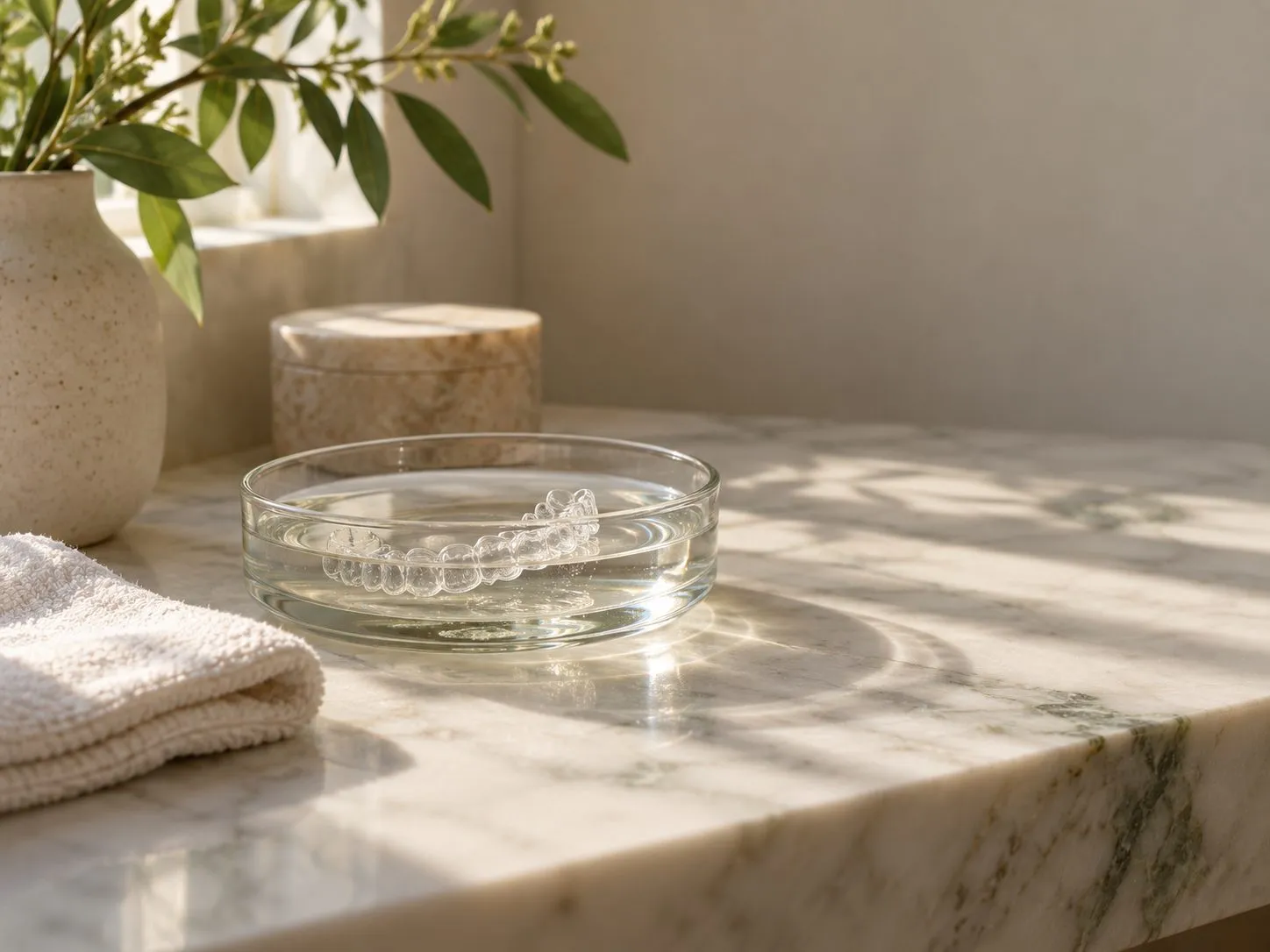
Smila clear aligners are a series of thin, clear trays made from a 3D scan of your teeth. You wear each set for 20 to 22 hours a day and take them out to eat, to drink anything other than water and to brush. We are an official Smila partner clinic, and Smila is the only clear aligner system we use. Treatment typically takes 3 to 12 months, depending on how much movement is needed, with regular check-ins and refinement aligners when they are needed.
Who it suits: adults and teenagers with all their permanent teeth, and mild to moderate spacing, crowding or alignment concerns. Because the aligners come out, consistent wear is what keeps treatment on track.
Ceramic braces
Ceramic braces are fixed braces with clear or tooth-coloured brackets, so they are less noticeable than metal during treatment. They work in the same way as metal braces and correct misalignment, spacing and bite concerns. Treatment typically lasts 12 to 24 months. The brackets themselves do not stain, although the elastic ties can discolour if oral hygiene slips.
Who it suits: teenagers and adults who want fixed treatment with a subtler look.
Metal braces
Metal braces use modern, low-profile brackets that are smaller and smoother than older designs. Because they are fixed, they work around the clock without relying on you to wear anything. Most treatments take 12 to 24 months, with adjustment visits every 6 to 8 weeks. Avoid very hard, sticky or chewy foods to protect the brackets and wires.
Who it suits: simple to complex cases, including some where clear aligners may not be recommended.
Self-ligating braces
Self-ligating braces hold the wire with built-in clips instead of elastic ties. With no ties there is less friction and less for plaque to collect around, and adjustment visits are usually less frequent.
Who it suits: teenagers and adults who want fixed braces with fewer adjustment appointments.
Retainers: keeping the result
Teeth can drift after braces or aligners, so every course of straightening ends with a retainer to help hold teeth in their new position. We offer removable and fixed retainers, and their prices are published on our fees page.
How a consultation decides
Your first appointment starts with an assessment of your teeth, bite and alignment, usually with a digital scan, and a conversation about what you would like to change. The dentist then explains which options suit your case and why, how long each would take and what it would involve day to day.
Aligner and brace fees depend on your plan, so they are set at the consultation rather than published as a single figure. You receive a written treatment plan and cost estimate before any treatment begins, which lets you compare the options on what they include. Flexible finance options are available, and the team can talk you through them.
The practice is about five minutes from Paddington station, open Monday to Friday, and the team speaks English, Portuguese and Polish.