What is normal in the first few weeks

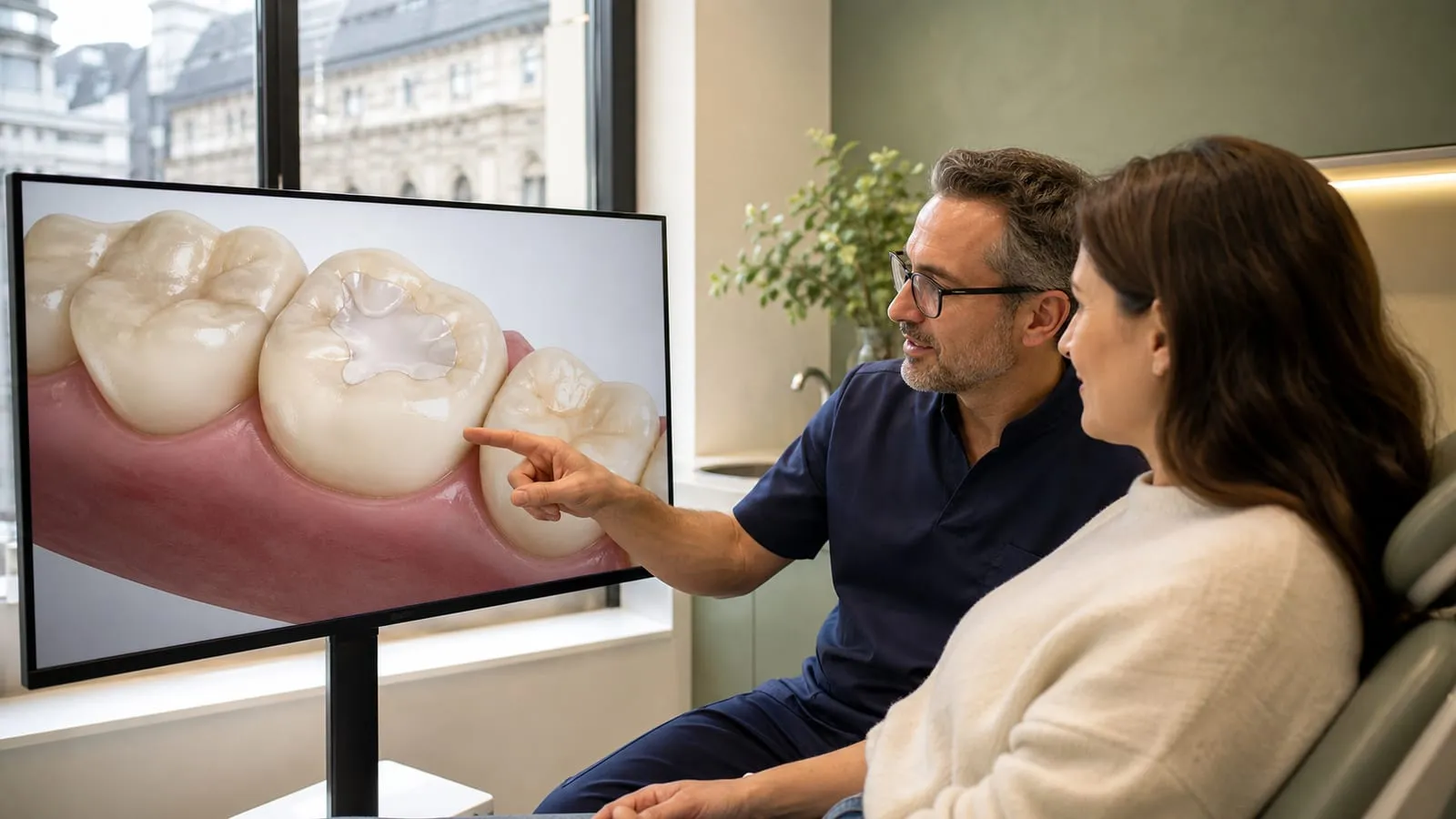
Pain after a dental filling can be unsettling because the tooth was meant to feel better, not more noticeable. A little sensitivity after the filling is often part of the settling period, especially if the cavity was deep, the filling was close to the nerve, or your bite feels different once the anaesthetic wears off.
The useful question is not simply “does it hurt?”, but “what kind of hurt is it, and is the pattern improving?” Mild cold sensitivity that fades quickly is different from a sharp jab when you chew. A dull ache that is easing is different from throbbing pain that wakes you at night. For the first four weeks, tracking those patterns gives your dentist much better information than waiting for one dramatic warning sign.
Paddington Smiles describes white fillings as restorations that repair decay or minor damage, then are shaped, polished and checked for comfort. If the restoration needs a tiny refinement, a review is usually quick and precise.
Cold sensitivity, bite pain and throbbing symptoms

Sensitivity to cold after treatment usually feels like a quick zing from chilled water, air, ice cream or sweet foods. If the sensation disappears within seconds and becomes less frequent over days, it often points to an irritated but recovering tooth. The Oral Health Foundation gives practical advice for managing sensitive teeth, including daily sensitive toothpaste and gentle brushing, which can help while the tooth calms down after treatment. See their guidance on sensitive teeth.
A sharp bite pain is a different story. Patients often describe it as a sudden electric pinch on one part of the tooth, especially with bread crusts, nuts or chewy food. That can happen when the filling is fractionally high and the tooth is taking more force than its neighbours. It can also happen if a crack, deep decay or inflamed ligament is involved, so it is worth booking a review rather than chewing carefully for weeks.
Throbbing after a restoration needs closer attention. A pulse like ache, heat sensitivity that lingers, pain that spreads to the jaw, or discomfort that wakes you can suggest the nerve inside the tooth is struggling. It does not automatically mean root canal treatment, but it does mean the dentist should test the tooth properly before the inflammation becomes harder to manage.
Symptoms that worsen after a few days are another warning pattern. A tooth that felt tender on day one and easier by day five is usually moving in the right direction. A tooth that was quiet for two days, then becomes increasingly painful, swollen, or sensitive to pressure, needs assessment. UK health guidance on toothache lists decay, abscesses, cracked teeth and loose or broken fillings among possible causes of dental pain, and official urgent dental guidance says broken or loose fillings and severe pain can need urgent dental care depending on symptoms. You can read the official UK health page on urgent dental appointments.
What a dentist checks at a review appointment
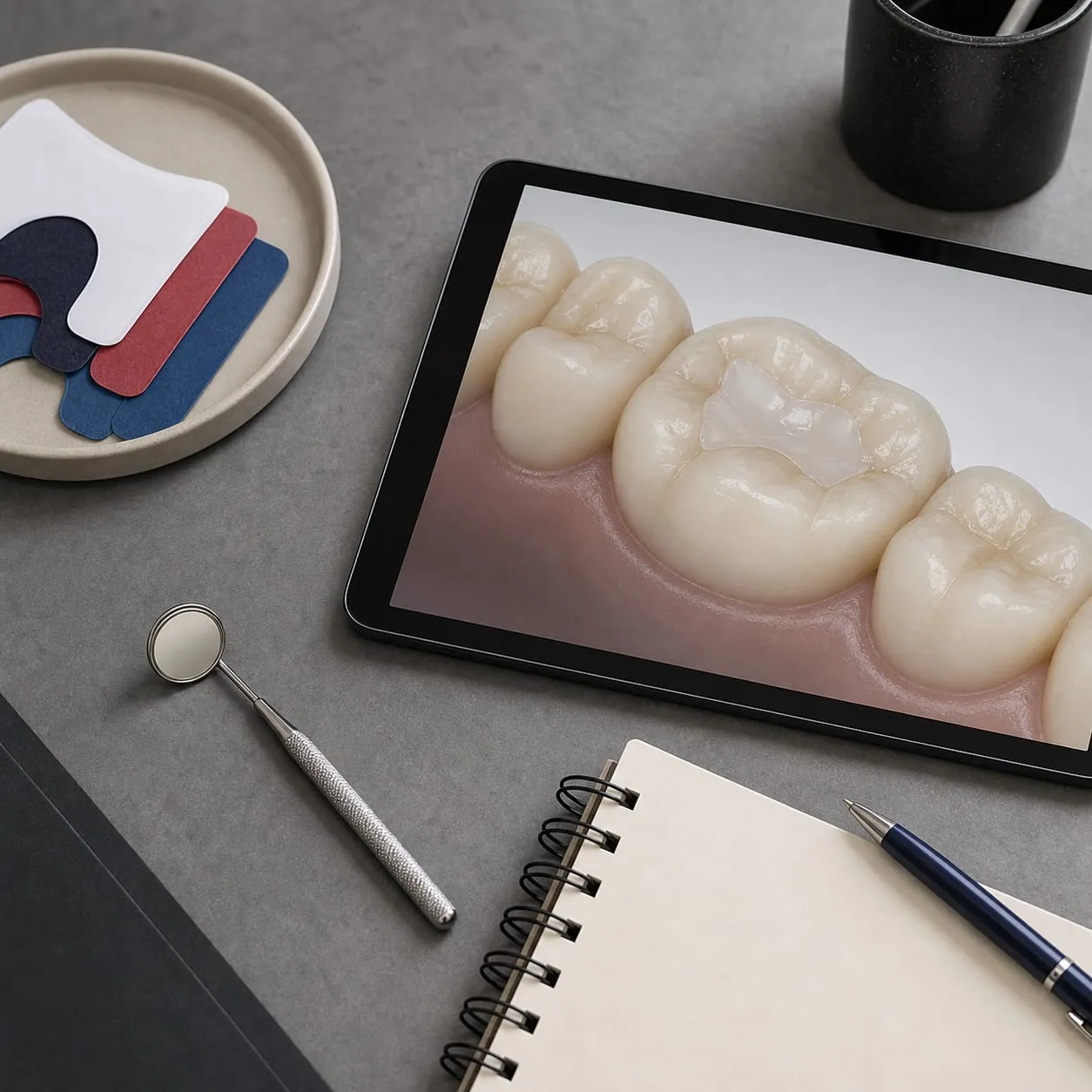
A review appointment is usually detective work, not guesswork. The dentist checks your bite first, often with thin marking paper that shows whether one part of the restoration is meeting too heavily. If a high spot is found, the adjustment can be very small, but the difference can feel immediate because the tooth is no longer being tapped first every time you close.
The dentist will also inspect the margins, where the filling meets natural tooth, looking for gaps, chips, rough areas or trapped plaque. They may tap the tooth gently, test cold response, check the gums, and compare the tooth with others nearby. If the original decay was deep, or the symptoms suggest infection or a crack, an X ray can help show what is happening below the surface.
When deeper nerve symptoms are suspected, Paddington Smiles can move the conversation from simple adjustment to diagnosis and next steps. Their root canal treatment pathway includes assessment and X rays, cleaning the infected canals, sealing the tooth, and restoring it with a filling or crown where needed.
When to wait, and when to book near Paddington

Waiting is reasonable when symptoms are mild, clearly linked to cold, improving week by week, and not affecting sleep or normal eating. Use the tooth gently, avoid testing it repeatedly, and note whether the sensitivity is shorter, softer and less frequent. That trend matters.
Book a same week assessment if you have sharp pain when biting, a filling that feels too tall, throbbing pain, swelling, a bad taste, lingering heat sensitivity, or symptoms that are getting worse rather than better. You should also book if you are simply unsure. A short visit can separate normal healing from a bite problem, deeper decay, a crack, or a tooth that may need further restorative care.
For patients near Paddington, Bayswater, Marylebone or the wider W2 area, Paddington Smiles offers a calm, digitally supported review with clear explanations before any treatment is recommended. If your filled tooth is still dominating your day after the first few days, it is sensible to ask a dentist to check it rather than spending four weeks guessing.