Before You Say Yes: Start With the Scan, Not the Sales Pitch
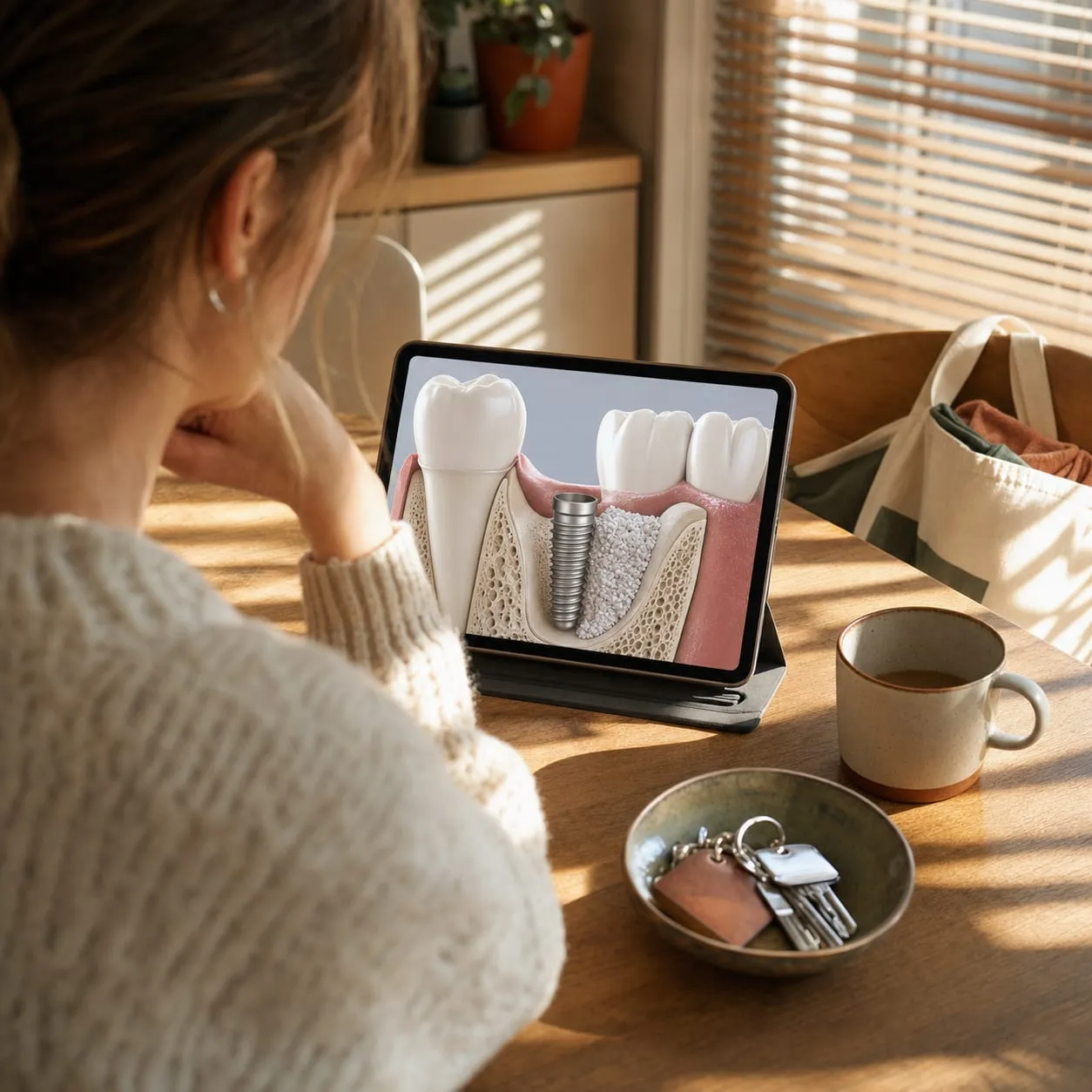
If you have been quoted for an implant and heard that a dental bone graft may be needed, it is reasonable to pause before accepting the plan. An implant needs enough bone in the right position to support it, but grafting is not an automatic extra. The recommendation should follow a clinical examination and, when indicated, 3D CBCT planning.
That scan can help your clinician assess the available bone and plan around important nearby structures. It does not replace judgement, and this article cannot tell you what treatment you need. It gives you a practical way to understand the grafting part of a proposal.
Start with the evidence, then ask why grafting is being recommended for you. Ask whether it could be completed at the same appointment as implant placement or should be staged, how healing could shape the timeline, and what is included in the cost. Finally, ask about alternatives, risks and how your consent will be confirmed if the plan or estimate changes.
At Paddington Smiles, a written plan should make room for those questions, so you can decide at a pace that feels right.
Questions 1 to 3: What Does the Assessment Show, Why Graft, and Can It Be Done Together?
Question 1: What does my CBCT scan and clinical assessment show?
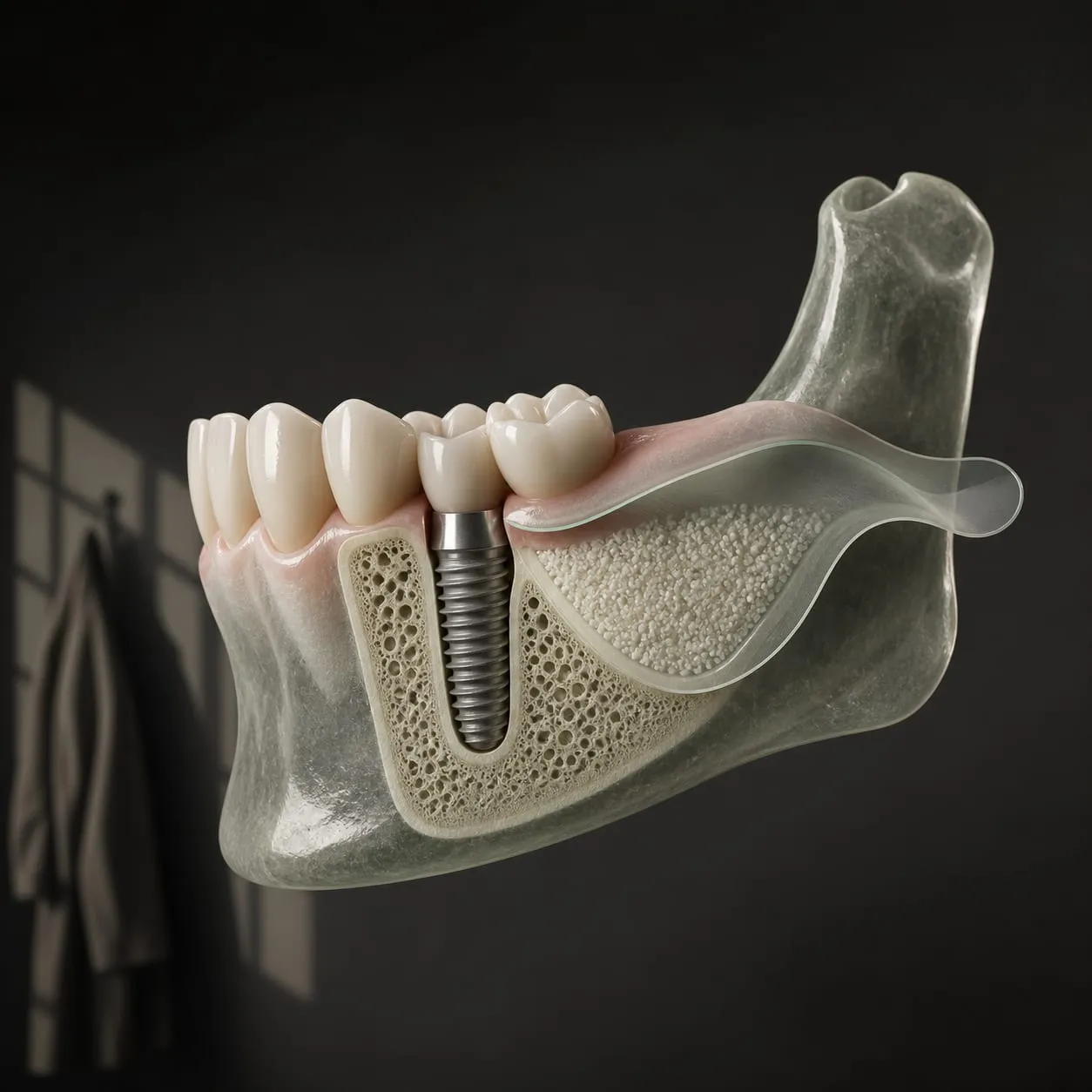
Your clinician asks whether the site can support an implant in the position needed for the final tooth. Where appropriate, CBCT imaging shows bone height, width and contour in three dimensions, plus nearby structures such as the sinus or nerve canal. It informs planning, but is one part of assessment, not a certainty.
The examination also considers gum health, bite, infection history, smoking, medicines and relevant medical factors. These can affect healing, timing and whether a different plan is safer.
Question 2: Why is grafting recommended for this site?
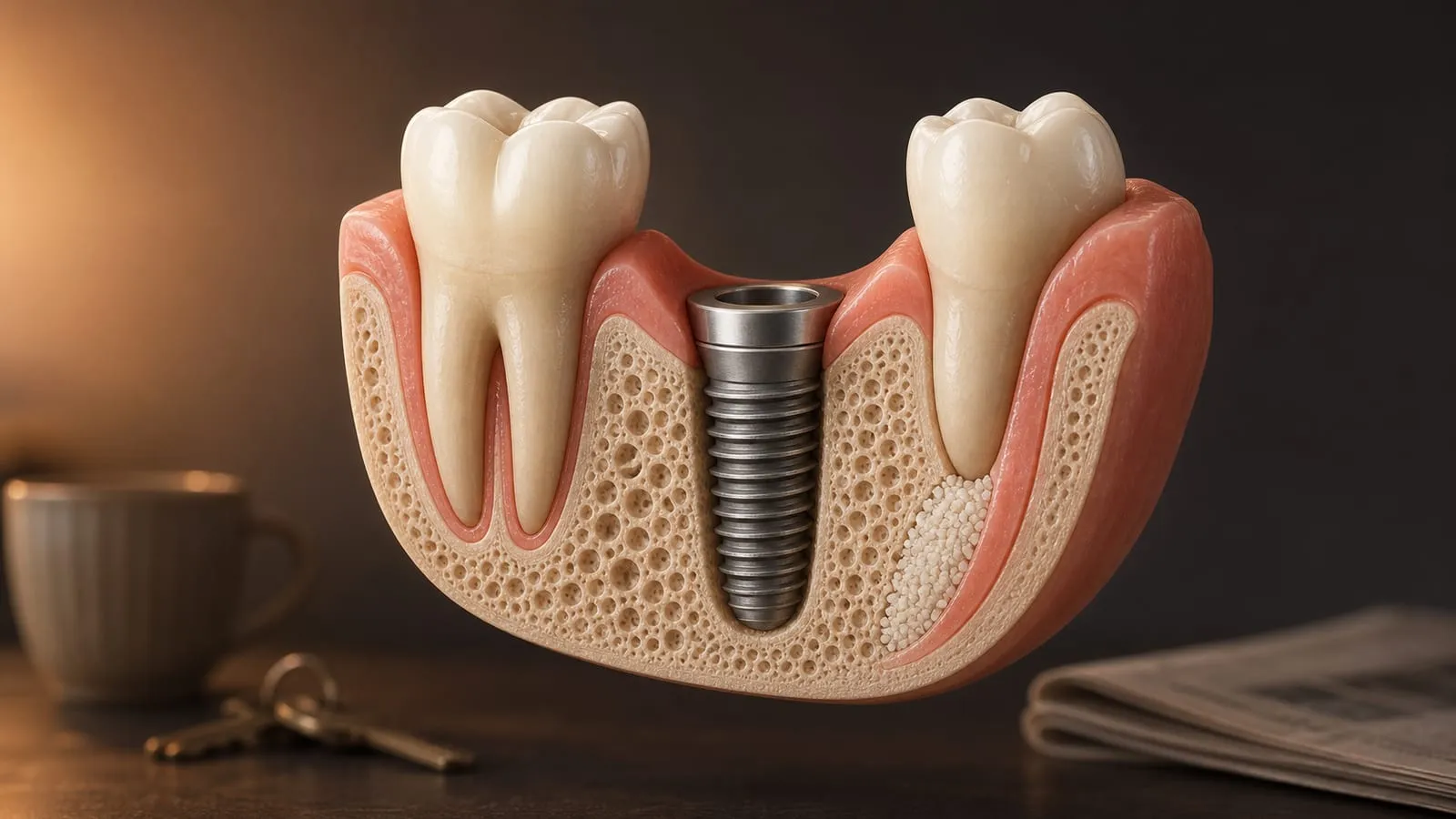
Bone augmentation may be recommended when there is not enough bone in the right place for the implant and planned restoration. The issue is not simply amount: its shape, density and relationship to the tooth being replaced matter. Grafting can create space for a cleansable, natural-looking result.
It may follow extraction, infection or gum disease, or a ridge changing over time. A sinus lift is a distinct upper-jaw procedure, used when extra height is needed beneath the sinus; it is not another name for every graft.
Question 3: Can the graft and implant be placed together?
Sometimes, yes. A small area of guided bone regeneration may be performed alongside implant placement when the clinician can achieve adequate initial stability from the available bone. This can reduce stages of treatment, but it is not suitable simply because it is more convenient.
With a larger defect, active infection, compromised gum health or insufficient initial stability, a staged approach may be safer. The augmented area heals before review for implant placement. Ask which approach fits this site, why, and what could alter the timetable. For an overview of implant planning, see the British Association of Oral Surgeons patient guide.
Questions 4 and 5: How Long Will It Take, and What Is Actually in the Quote?

Question 4: What does “healing time” mean in my plan?
“Healing time” can refer to two stages. In the days after grafting, tenderness and swelling are part of initial recovery. Bone maturation is slower: many grafts need several months before later treatment, but timing depends on the procedure, site, material, health and how you heal. A graft placed with an implant can change the sequence, not the need for monitoring.
For a broader patient explanation of recovery and risks, see Cambridge University Hospitals guidance.
Question 5: What is included in my written quote?
Your written treatment plan should make each stage and any possible extra cost clear for your case. Ask whether it covers:
- consultation
- imaging if required
- extraction or socket preservation
- graft material and membrane
- sinus lift if relevant
- implant fixture
- abutment
- temporary and final crown
- sedation if chosen
- reviews
- contingency fees
For the current bone augmentation fee at Paddington Smiles, see our fees page.
Question 6: What Do I Need to Know Before I Consent?

Question 6: What material is proposed, what are my alternatives, and what happens if the plan changes?
The origin of the material is a reasonable question, not an awkward one. Depending on the plan, options may involve your own bone, processed donor material, animal-derived material or a synthetic substitute. Ask whether a membrane is proposed to protect the area, and what it is made from.
Your clinician should explain the expected benefits, relevant risks and realistic alternatives, including whether a bridge, denture or no treatment is appropriate. Ask what could happen if the site looks different during surgery, and whether that would change the procedure, timing or cost.
Under the GDC consent standards, a change to the agreed treatment or estimated cost should be discussed with you, then consented to and documented.
Paddington Smiles offers an initial implant consultation. You can bring your quote, ask the questions that matter to you and receive a personalised written treatment plan. Before proceeding, confirm any examination, imaging, charges and next steps. Explore implant consultations at Paddington Smiles when you are ready to talk it through.