
What The Oral Microbiome Means For London Patients

The oral microbiome is the living community of bacteria, fungi and other tiny organisms that naturally share the mouth. For patients in London and Paddington, the useful starting point is balance. A healthy mouth is not sterile, and it should not be treated as a surface to scrub empty. Many microbes help manage acidity, support the gums and compete with species linked with decay or inflammation.
Research in oral health increasingly shows that problems can begin when this community is disturbed. Frequent sugar, smoking, dry mouth, some medicines, stress and irregular cleaning can all shift conditions in favour of harmful growth. That is why bleeding gums, persistent bad breath or a change in taste should not be dismissed as minor. They can be signs that the mouth environment needs attention, not just a stronger rinse. London routines can make this harder, with rushed meals, commuting, coffee and late finishes often shaping what happens between appointments.
At Paddington Smiles, routine care looks at this wider picture as well as teeth. During dental check ups, we assess plaque, gums, saliva, diet and cleaning habits, then give practical advice that fits city life. The aim is not to sterilise the oral microbiome, but to help it return to a stable state where teeth and gums are better protected.
Small daily choices, supported by professional checks, can make the mouth a healthier place to live. This research led view is reassuring because it focuses on support, prevention and early action rather than blame. It also makes advice feel personal, clear and easier to keep.
How Mouth Imbalance Shows Up In Gums, Breath And Teeth
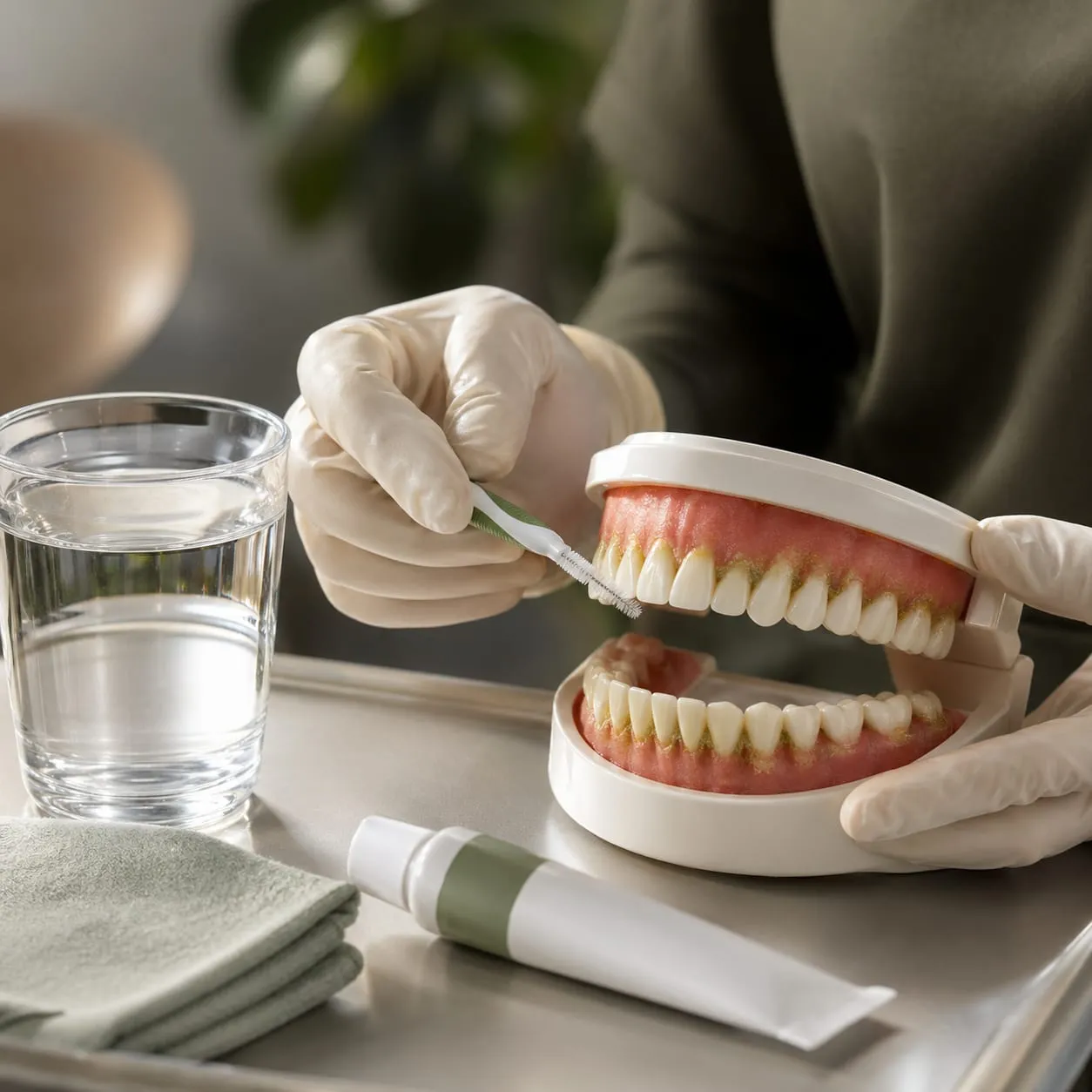
The mouth is home to bacteria, yeasts and other tiny organisms that usually live in balance. When the balance shifts, known as dysbiosis, some species can become more active while protective species are crowded out. The result is not an infection overnight, but a gradual change in how gums, breath and teeth respond day to day.
A common sign is plaque biofilm. Plaque is a soft, sticky layer that forms on teeth and along the gum line. When it is disturbed well with brushing and interdental cleaning, it stays easier to manage. When it sits for longer, the biofilm matures and produces acids and irritating by products. Gums may look redder, feel tender or bleed when brushing. Bleeding gums are not a reason to panic, but they are a useful signal that the tissues need gentler, more consistent cleaning and, if it persists, a dental check.
Breath can change too. Bad breath often comes from odour producing bacteria breaking down food debris, plaque and proteins on the tongue, between teeth or around inflamed gums. Dryness makes this easier, because saliva normally helps rinse the mouth, buffer acids and carry minerals back to enamel. Drinking water, cleaning the tongue and keeping regular meals can help, while ongoing bad breath deserves a calm review of oral hygiene, gum health, medicines and general health. Official UK health guidance has a helpful overview of bad breath.
- Decay risk: Frequent sugar matters as much as total sugar. Each sweet drink, snack or sip gives acid producing bacteria another chance to lower pH and soften enamel.
- Saliva: Good saliva flow supports repair. A dry mouth, whether from dehydration, mouth breathing or some medicines, can make plaque more harmful.
- Smoking: Smoking changes the mouth environment, reduces blood flow in the gums and can mask bleeding, so gum disease may be less obvious at first.
UK public health guidance also stresses fluoride toothpaste, reduced sugar frequency and regular dental reviews as practical ways to prevent common oral disease. You can read the wider GOV.UK adult oral health guidance for the prevention principles behind this advice.
In practical terms, imbalance in the mouth shows up as patterns: plaque that returns quickly, gums that bleed, breath that does not feel fresh, or teeth that become more prone to decay. The aim is to shift conditions back towards balance with twice daily fluoride brushing, daily cleaning between teeth, less frequent sugar exposure, enough saliva, and support to stop smoking if needed.
7 Habits That Support Your Oral Microbiome Daily

Your mouth is home to a busy oral microbiome, and small daily choices help keep it balanced. These seven habits are simple, realistic, and easy to build into your normal routine.
- Stay well hydrated. Sip water through the day, especially after coffee, alcohol, or salty meals. Saliva helps wash away food debris and supports a fresher, more comfortable mouth.
- Clean between your teeth. Use interdental brushes or floss once a day. Toothbrush bristles cannot reach every tight space, so this step helps disturb plaque where gum problems often begin.
- Watch how often you have sugar. It is not only the amount that matters. Frequent sweet snacks or drinks give harmful bacteria repeated fuel, so keep them with meals where possible.
- Avoid smoking. Smoking dries the mouth, stains teeth, affects gums, and can shift the balance of bacteria. If you are cutting down, ask your dental team for practical support.
- Clean your tongue gently. A tongue scraper or soft toothbrush can remove coating that traps bacteria and contributes to bad breath. Use light pressure, not force.
- Book regular hygiene visits. Professional cleaning removes hardened deposits you cannot brush away at home. A hygienist appointment can also help you choose tools that suit your mouth.
- Brush with fluoride and do not rinse. Brush twice daily with fluoride toothpaste, then spit out the excess. Skipping the rinse leaves more fluoride on your teeth, giving longer protection after brushing.
These habits work most effectively together. Keep them steady, and your oral microbiome has a better chance of staying diverse, resilient, and supportive of healthy teeth and gums.
When To Book A Hygiene Visit In Paddington

Knowing when to book a hygiene visit is simple: if something feels different, do not wait for your next routine check. Bleeding gums when brushing or flossing, persistent bad breath, a toothache, swelling, loose teeth, recurring decay, or a dry mouth can all be signs that plaque, inflammation, infection, medication, diet, or lifestyle factors are affecting your mouth. A hygienist can often spot the cause early, clean areas you cannot reach at home, and help you protect your mouth before small problems become uncomfortable.
If you notice bleeding gums, book a hygiene visit promptly, especially if the bleeding happens more than once. Gum inflammation is common and treatable, but it can progress if bacteria sit below the gumline. Persistent bad breath also deserves attention, because it may come from gum disease, tongue coating, decay, dry mouth, or restorations that need review.
See a dentist urgently if you have toothache, facial or gum swelling, a loose adult tooth, or pain that wakes you at night. These symptoms may need a dental assessment before, or alongside, hygiene care. Recurring decay and dry mouth are also good reasons to ask for support, as prevention can be tailored around saliva flow, snacking habits, brushing technique, interdental cleaning, fluoride, and product choice.
At Paddington Smiles, prevention is personalised. Hygiene visits can include careful cleaning, gum health checks, advice that fits your routine, and digital scanning where it helps track changes over time. If you are unsure, book a hygienist appointment in Paddington and let the team guide the next step calmly and clearly, without pressure today.