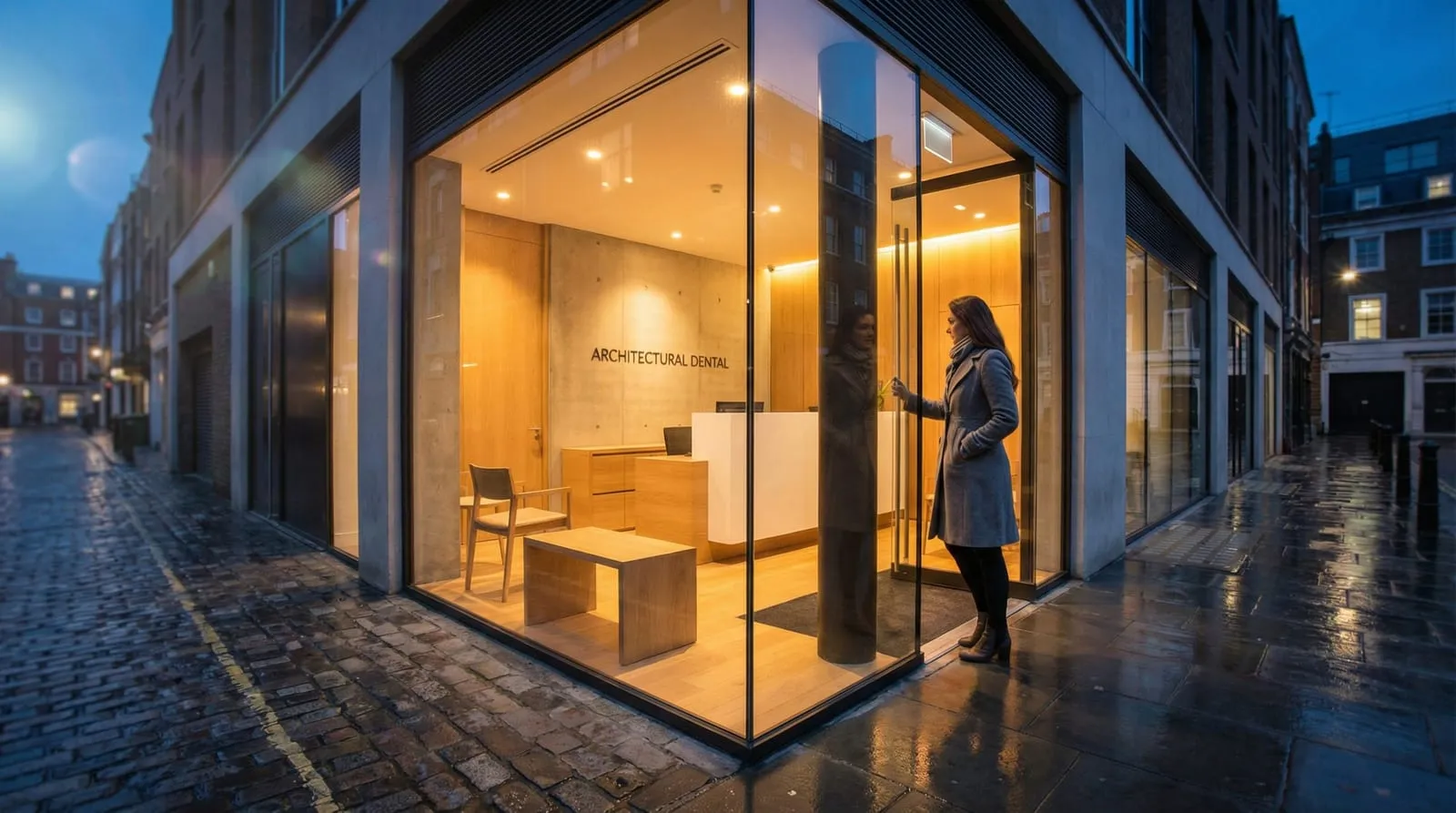
Why a hygiene visit is really a prevention appointment

Regular dental hygiene appointments can feel simple from the outside, a clean, a polish and a fresher smile. In practice, the visit is a prevention appointment built around what is happening in your mouth now. A hygienist looks at plaque, tartar, bleeding points, gum inflammation, staining, breath concerns and the areas your toothbrush is missing.
That matters because most dental problems do not begin dramatically. Plaque is soft at first, then it can harden into tartar that brushing cannot remove at home. Gums may bleed a little, breath may feel less fresh, or a back tooth may start collecting more build up than the rest. None of this means something is wrong beyond repair, but it does mean your mouth is asking for closer attention.
At Paddington Smiles hygienist appointments in W2, hygiene care is designed to be calm, precise and personal. The aim is not to make every patient fit the same six monthly pattern. It is to understand your risk, clean thoroughly, explain what we are seeing and help you maintain healthier gums between visits.
A good hygiene visit also creates a baseline. Once the gums have been assessed and the build up has been removed, future changes are easier to spot. That is useful for patients who travel often, work long hours, drink plenty of coffee, wear aligners, or simply want to avoid small issues becoming more disruptive later.
Plaque, tartar, bleeding gums and breath all tell a story
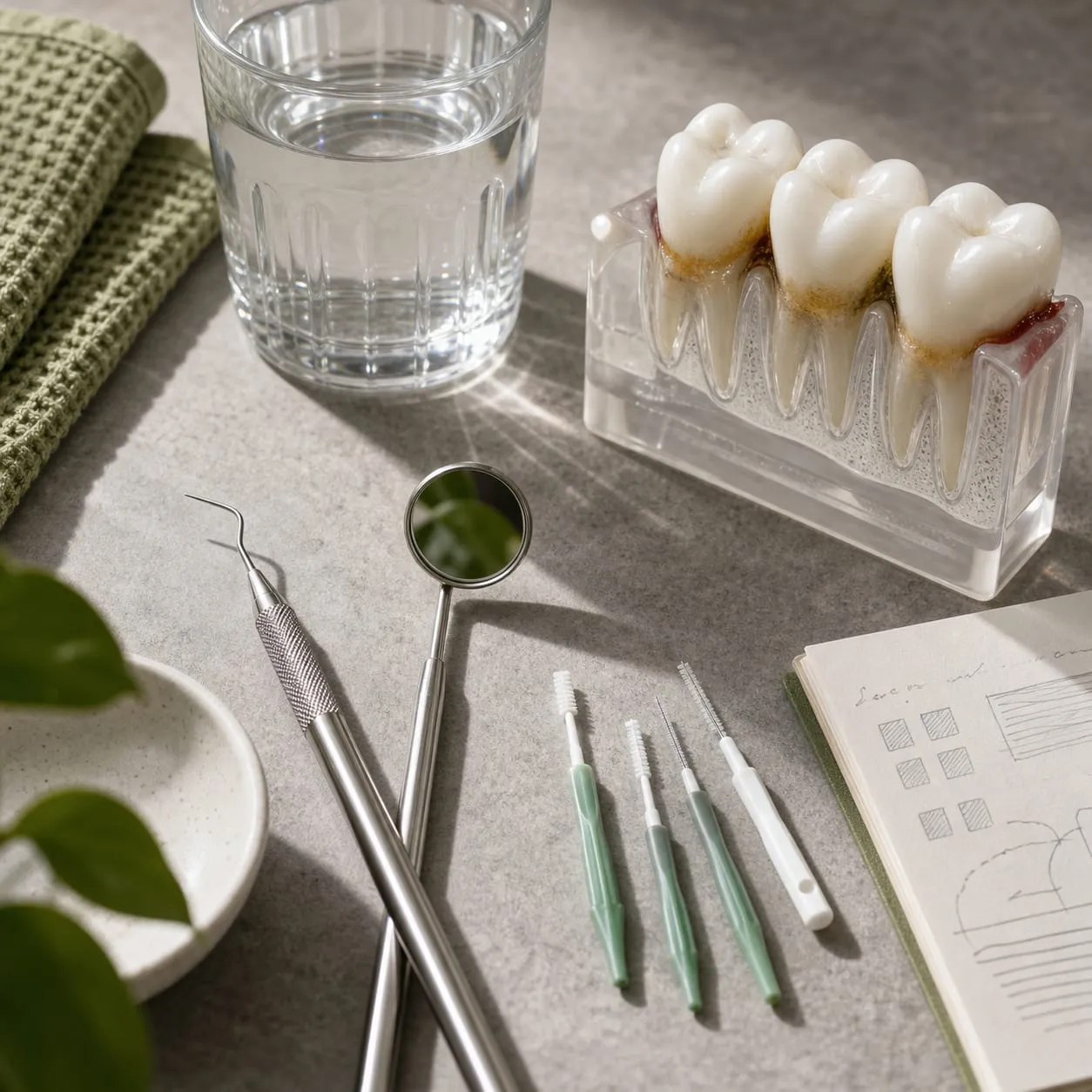
Plaque is a living film of bacteria. When it sits along the gum line or between teeth, the gums can become irritated and inflamed. The GOV.UK oral health toolkit describes gingivitis and periodontitis as plaque initiated conditions in susceptible people, while also making an important distinction: gingivitis can be reversible when plaque levels are reduced, but periodontitis involves loss of supporting tissues.
This is why a hygienist visit is more than surface cleaning. Tartar locks bacteria against the tooth and often gathers in places that are awkward to reach, especially around crowded teeth, retainers, fixed wires, implants, crowns and back molars. Professional plaque and tartar removal gives the gums a cleaner environment, then polishing smooths tooth surfaces so daily cleaning feels easier.
Bleeding gums are another useful signal. Patients sometimes assume bleeding is caused by brushing too hard, but persistent bleeding often points to inflammation. Bad breath can also be linked with bacterial build up around the tongue, gums, restorations or deep plaque traps. A hygienist can identify whether the issue is mainly technique, tartar, dry mouth, diet, smoking, gum disease or something that needs a dentist review.
The most useful part of the appointment is often the advice at the end. A tiny change in interdental brush size, brushing angle or cleaning sequence can make a bigger difference than buying another product. For busy patients around Paddington, Bayswater, Marylebone and Lancaster Gate, this practical guidance helps make home care efficient rather than complicated.
It also helps to separate a clean feeling from a healthy one. A minty mouthwash can make breath feel better for an hour, but it cannot remove tartar. Whitening toothpaste may brighten surface stain, but it will not treat bleeding between the teeth. The hygienist’s role is to look past the quick fix and work out what is actually driving the symptom.
For some patients, the answer is straightforward: a few stubborn areas need professional cleaning and a better interdental routine. For others, the pattern may suggest gum pockets, recession, overloaded restorations or a medical factor that deserves closer review. That is why prevention should be personalised. The appointment connects what the patient feels with what the clinician can measure.
How often should you see the hygienist?

There is no single interval that suits every mouth. The old idea that everyone simply comes back every six months is too blunt. The NICE recall guidance says dental review intervals should be tailored to the patient, based on disease level, risk and clinical judgement, with routine review intervals usually ranging from 3 months to 24 months for adults.
Hygiene intervals follow the same common sense. Some people build tartar quickly, have bleeding gums, wear aligners, smoke, have diabetes, live with dry mouth, have implants, or need periodontal maintenance after gum treatment. They may benefit from shorter intervals while the gums stabilise. Other patients with excellent plaque control and low risk may need less frequent professional cleaning.
The European Federation of Periodontology notes that maintenance cleaning intervals are often three, four or six months, depending on oral hygiene quality, gum inflammation and residual pockets. That wording is helpful because it moves the question away from habit and towards risk. Your recall should earn its place, then be reviewed as your mouth changes.
Good hygiene care is not a template. We look at the gums, the plaque pattern, the patient’s routine and the risk factors, then set an interval that makes clinical sense for that person.
DR PEDRO GUTIERRES, Lead Clinician, Paddington Smiles
Risk can also move in both directions. A patient who arrives with bleeding gums may start with closer appointments, then move to a longer interval once the gums are stable and home care is working well. Someone who has been low risk for years may temporarily need more support after orthodontic treatment, implant work or a change in medication.
What to expect at Paddington Smiles

A hygiene appointment at Paddington Smiles begins with listening. If your gums bleed, your breath worries you, or you have not had a clean for a while, the conversation should feel supportive rather than embarrassing. The team can assess your teeth and gums, remove plaque and tartar above and below the gum line where appropriate, polish surface staining and show you the areas that need extra help at home.
UK health guidance explains that dental check ups help find problems early and keep the mouth healthy, and that timing should depend on oral health and future risk. Hygiene care sits naturally alongside that preventive approach. It gives the dental team a clearer view of your gum health and gives you a realistic plan for what to do next.
Regular dental hygiene appointments are especially useful when life changes. New medication, pregnancy, stress, orthodontic treatment, implants, a change in diet or a run of busy weeks can all affect plaque control. A personalised recall interval means the plan can change with you, rather than leaving you to guess whether bleeding gums or bad breath are normal.
For patients living, working or travelling through West London, Paddington Smiles offers a calm setting with modern digital dentistry and clear communication. Book a hygiene visit if your gums bleed, your mouth does not feel fresh, or you simply want preventive dental care that goes beyond a quick polish.
Patients often leave with something very specific to practise, not a lecture. That might be the right interdental brush size for a difficult space, how to clean around a fixed retainer, when to use a single tufted brush, or how to protect gum comfort if the tissues are tender. Small, repeatable instructions are easier to keep than a long list of rules.