The TikTok Teeth Filing Trend: What You Are Actually Watching

Somewhere between a nail tutorial and a dental appointment, a new category of viral content took hold. Millions of viewers watched creators pick up emery boards and nail files to grind down their own teeth, smoothing edges, evening out lengths, reshaping smiles in real time. The comments filled with questions: Does this work? Is it safe? My dentist does this anyway, right?
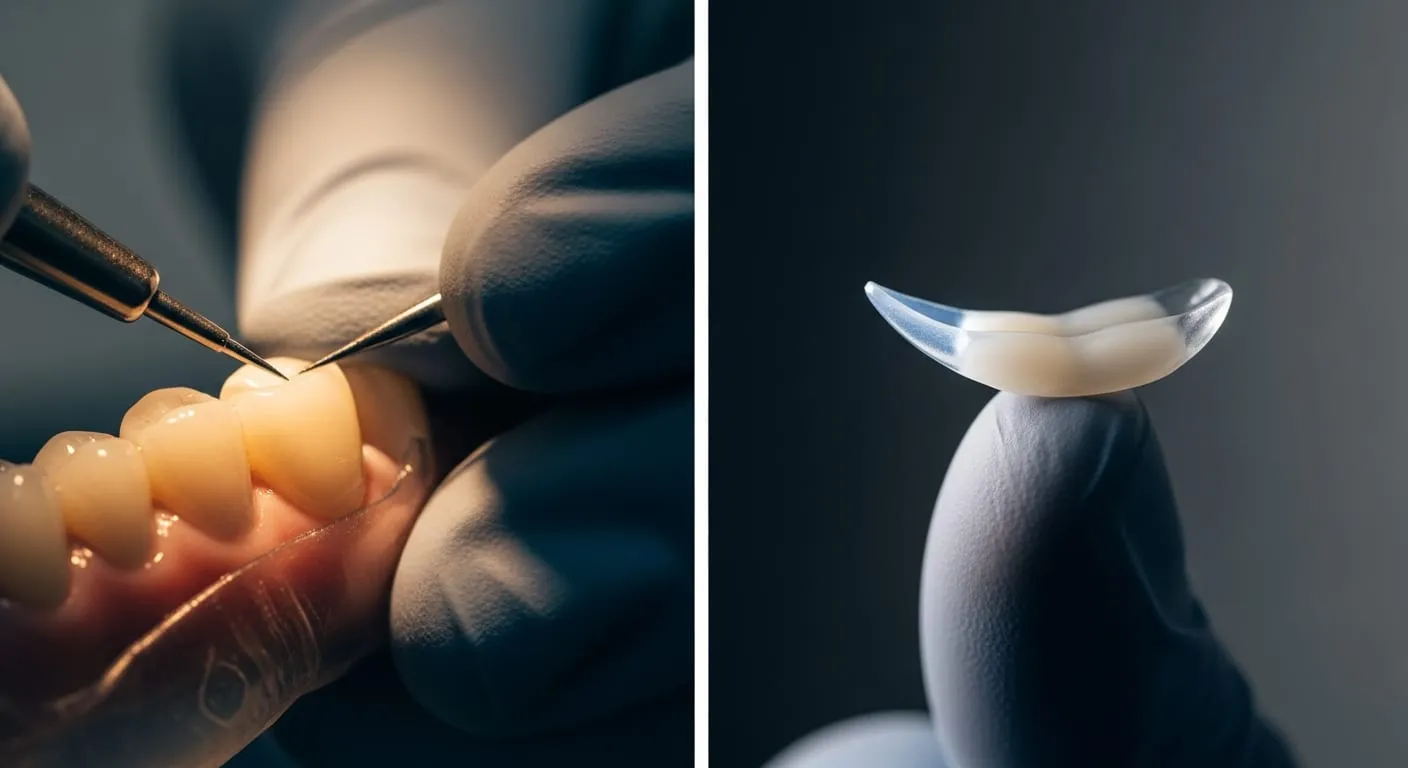
That last assumption is where the real damage began. Clips of trained dentists performing clinical crown preparation and veneer preparation were shared without context, stripped of any explanation, and reposted alongside DIY footage. Viewers concluded that tooth filing is simply what dentists do, a cosmetic shortcut available to anyone with a steady hand and a hardware store. It is not. Clinical tooth reduction is carried out under local anaesthetic, with precision rotary instruments, and always as part of a planned restoration. The dentist is not finishing a procedure. They are beginning one.
The evidence on tooth wear is unambiguous: enamel does not regenerate. What is filed away is gone permanently. Across the UK, clinicians began raising alarms as the teeth shaving TikTok trend accelerated into a genuine public health concern. At Paddington Smiles, we began seeing patients who had watched these videos and wanted reassurance, or, heartbreakingly, treatment.
Why Filing Your Teeth at Home Causes Permanent Damage
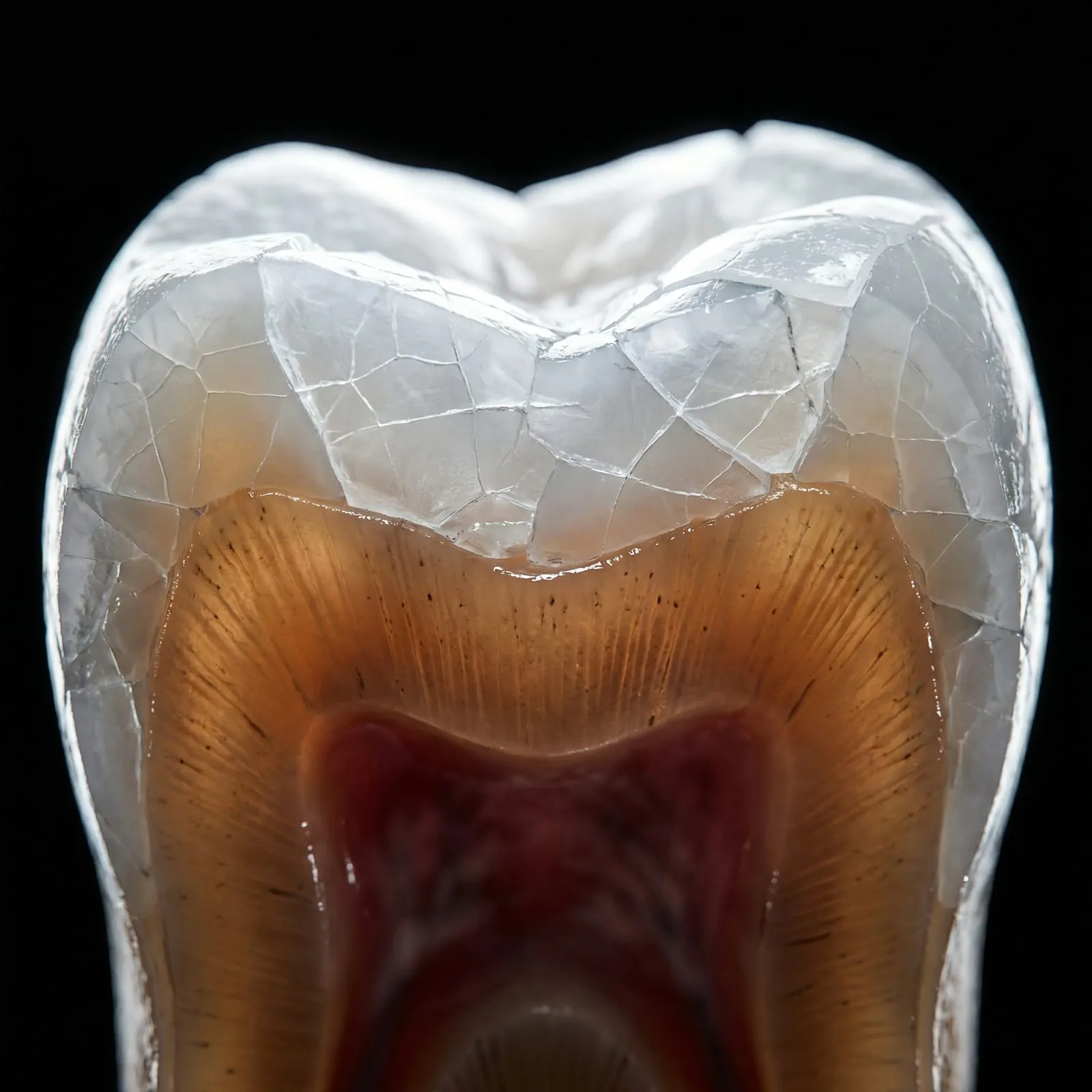
Tooth enamel is the hardest substance the human body produces, harder than bone, harder than ivory. Yet for all its toughness, it has one profound weakness: it contains no living cells. That distinction matters enormously. When you graze your skin, blood rushes in, repair begins, and within days the damage fades. Enamel has no such mechanism. There are no cells waiting to rebuild it, no biological process that restores what is lost. Tooth enamel cannot grow back, full stop.
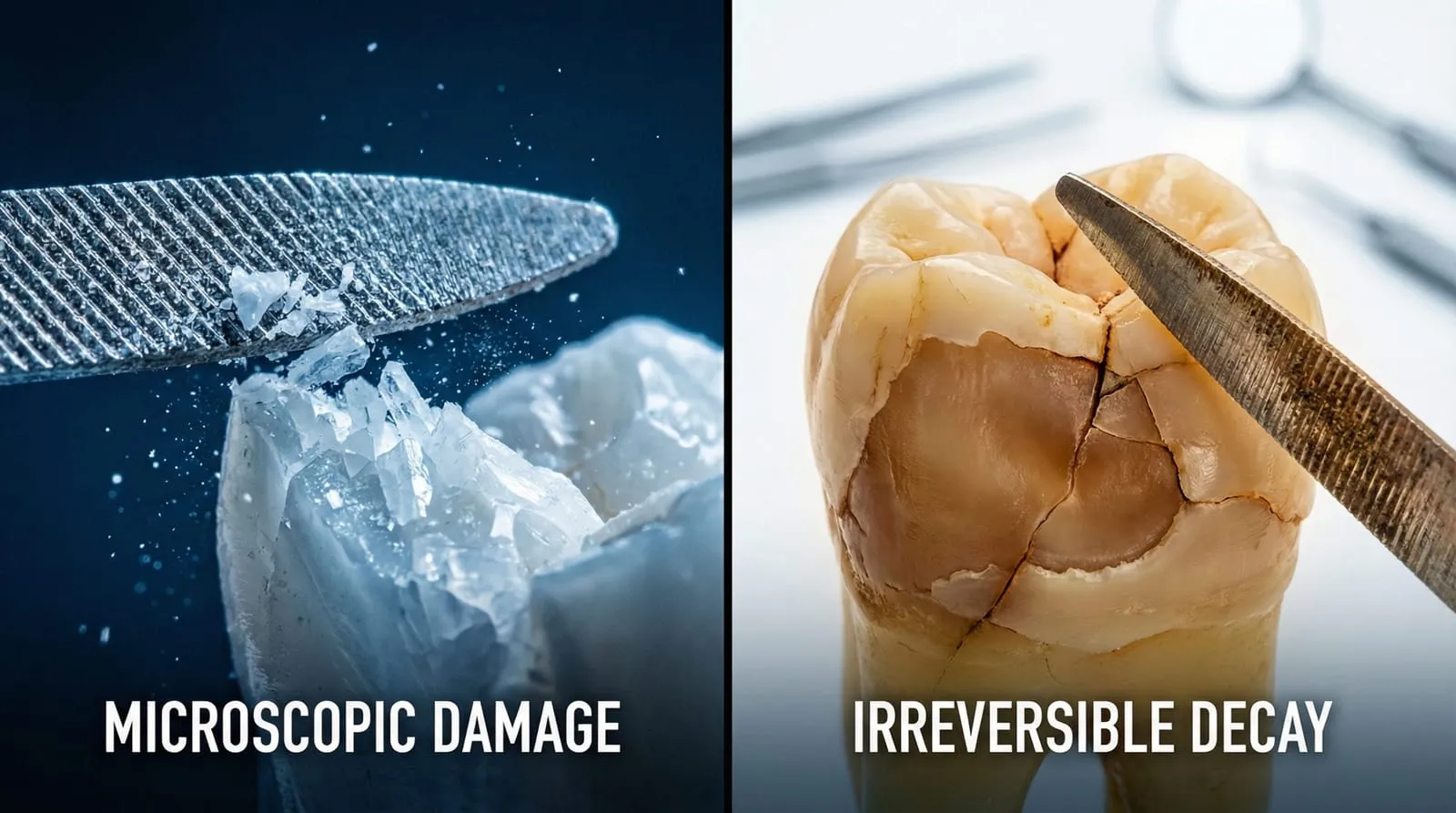
This is what makes filing teeth with a nail file so reckless. An emery board is a precision abrasive tool. Against enamel, it does not smooth or refine; it strips. The loss is invisible at first, a few microns gone, nothing that shows in the mirror. But the damage is cumulative and entirely permanent. Each pass removes material that the body has no way of replacing.
Beneath enamel lies dentin, a porous, yellowish layer threaded with countless microscopic tubules that connect directly to the nerve. Once enamel wears away and dentin is exposed, those tubules transmit temperature, pressure and acidity straight to the pulp. The result is tooth sensitivity after filing teeth, a sharp, sometimes electric discomfort that signals something far more serious than cosmetic imperfection. (GOV.UK Oral Health Guidance)
The consequence chain is unforgiving. Irreversible enamel removal leads to exposed dentin, which demands prompt treatment to prevent decay from reaching the pulp. Left unaddressed, bacteria penetrate deeper, infection sets in, and in severe cases teeth filing nerve damage occurs when the pulp is compromised entirely. From there, the outcomes are root canal treatment or extraction. What began as a cosmetic shortcut ends in tooth loss.
I Have Already Filed My Teeth: What Are My Options?

First things first: you are not alone in this, and you are not beyond help. A huge number of people acted on what looked like credible advice from a trusted source, and the worry that follows is completely understandable. The most useful thing you can do right now is book a professional assessment without delay, because early intervention genuinely preserves more of what is left.
The treatment route depends on how much enamel has been lost. For mild to moderate damage, composite bonding is often the first recommendation. A tooth-coloured resin is carefully applied over the affected surface, restoring the shape, shielding any exposed dentin, and bringing back the aesthetics, all without removing any further tooth structure. It is one of the most conservative options available and works beautifully when the damage is caught early.
Where the aesthetic goal is more ambitious, dental veneers after enamel damage offer a longer lasting result. Porcelain veneers do require some surface preparation from your dentist, but they provide excellent protection and a genuinely dramatic improvement. In more severe cases where structural integrity is seriously compromised, crowns or onlays may be the most appropriate route.
If sensitivity is your most pressing concern right now, desensitising treatments and fluoride protocols can offer meaningful relief while you plan next steps.
Our team at Paddington Smiles uses advanced digital smile design to assess the extent of damage and map the most conservative restoration pathway for each patient.
What a Dentist Can Do That TikTok Never Will

Wanting a straighter, more even smile is completely valid. That desire is real and entirely achievable. The problem is never the goal. It is the method.
A qualified cosmetic dentist can do things a nail file simply cannot. Minor shape irregularities? Composite bonding is a popular, pain free way to add contour and symmetry without touching healthy tooth structure. After a complete smile redesign? Veneers and clear aligners exist precisely for that, and they work beautifully in the right hands.
At Paddington Smiles, consultations are relaxed and pressure free. You get to see a digital preview of your outcome before any treatment begins. No guesswork, no surprises.
One final thought worth holding onto: thirty seconds with a nail file can mean a lifetime of sensitivity, repeated restorations, and real expense. That is not a fair trade.
If you are concerned about your teeth, whether from following dangerous DIY dental trends or simply unhappy with your smile, Paddington Smiles offers cosmetic consultations in the heart of London. Book yours today.